Plan the path from prototype to production

A prototype answers a question. A production plan defines how the approved part will be made, checked, and delivered repeatedly. Connect those two activities early so each sample advances the program.

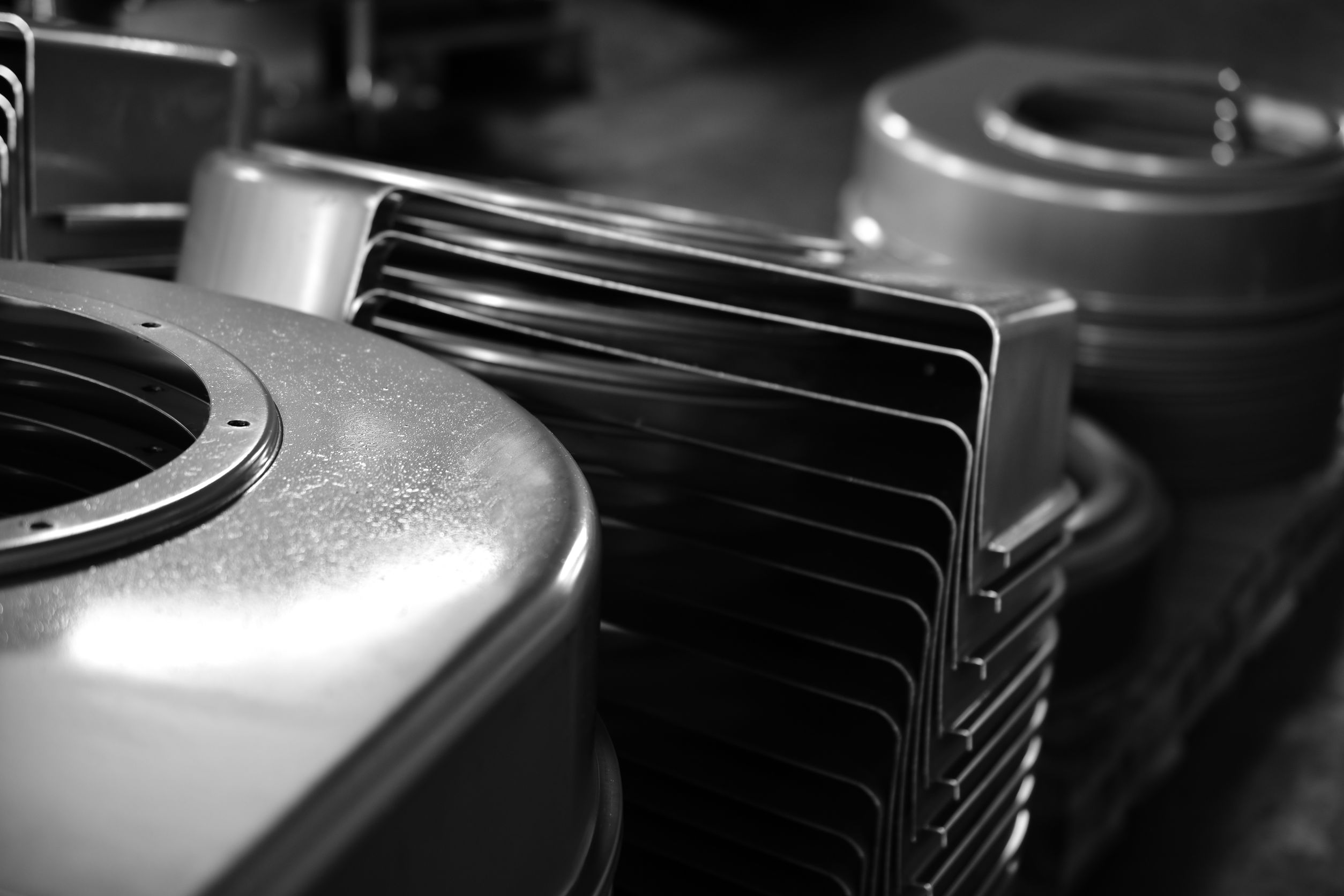
Close-up of formed metal components

Agree on what each stage must establish.

1. Define the purpose

State whether the sample is for fit, function, assembly evaluation, appearance, or manufacturing review. Identify the features and acceptance criteria that matter to that purpose. Record any temporary material, finish, or process differences.

2. Review the production route

Bring the expected quantities, release pattern, material, tolerances, and connected operations into the tooling discussion. K-O supports prototype and production work through engineering review and in-house tool and die capability. Process selection should follow the requirements of the part.

3. Plan the approval

Agree on which samples, inspection results, and customer documents are needed before release. K-O supports APQP, FMEA, control plans, SPC, and PPAP. Establish the requirements and submission expectations for the particular program rather than assuming every launch uses the same package.
Make the handoff explicit.

A successful sample does not settle every production detail. Before the first release, bring the approved drawing, process decisions, quality requirements, and purchasing scope together.

Production handoff checklist
Engineering & quality Purchasing & delivery
Approved revision and documented sample changes. Order quantities, forecast, and planned release dates.
Agreed characteristics, inspection criteria, and approval records. Tooling ownership, supplied material, and purchased-component responsibilities.
Required certifications, inspection reports, and lot traceability. Packaging, identification, shipping, and receiving requirements.

For plating, finishing, or heat treatment, include the applicable specification and acceptance criteria in the program review so these steps are planned with the manufacturing work.

Keep a record of what changed between the prototype and production intent. That record helps both teams distinguish an approved improvement from a requirement that still needs agreement.

See quality planning and documentation

Let’s review your part.

Share your drawing, material, quantities, and delivery requirements. We’ll review the manufacturing route with you.

Request a quote
Selected manufacturing process