
Before grinding
Review whether the incoming bar needs straightening as part of the plan for its finished diameter and surface.
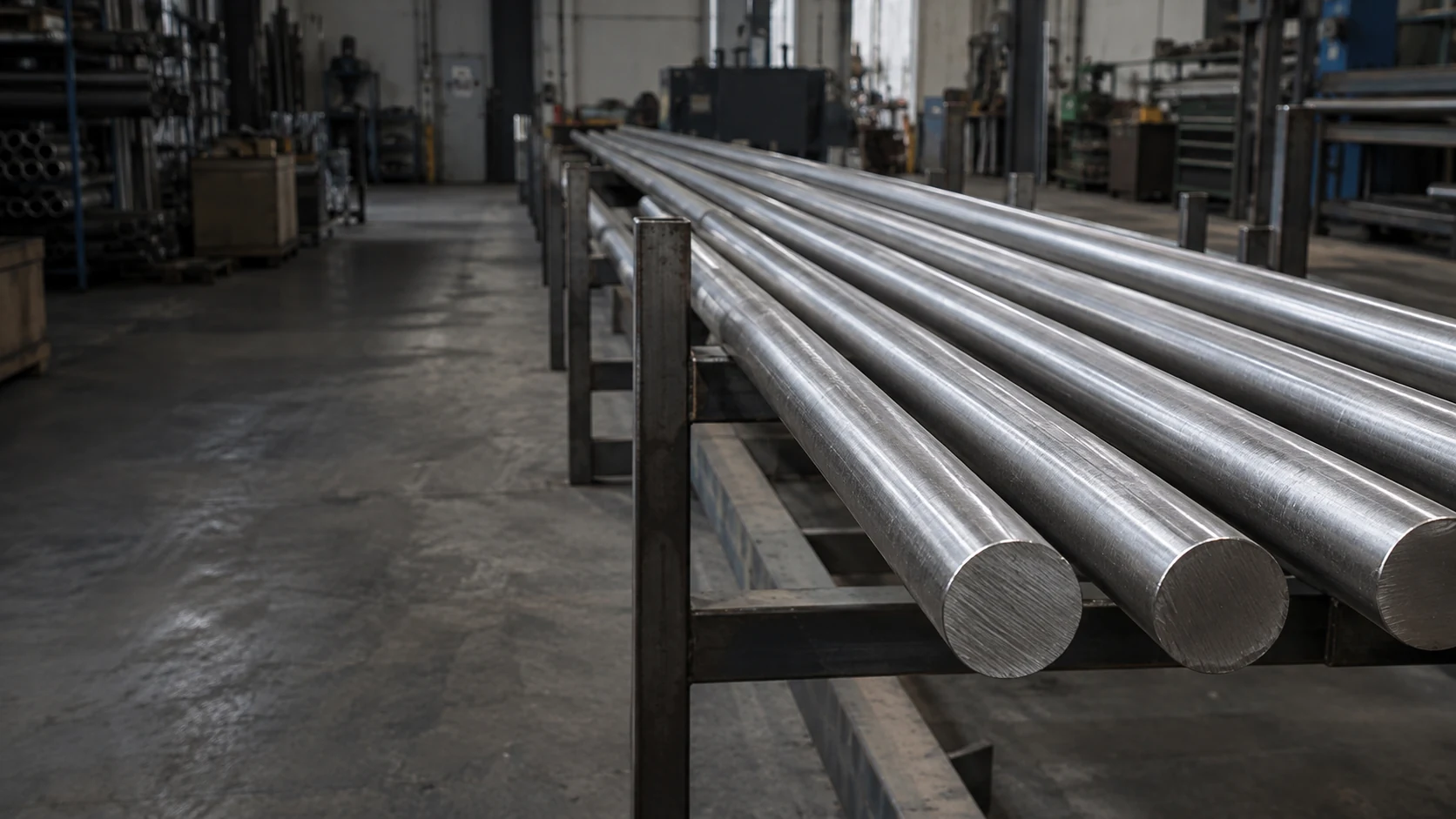
Bar straightening
Prepare bar stock around the straightness your next operation requires. K-O reviews the incoming material, finished condition, and measurement method before the work begins.
Bar preparation with a purpose
Diameter alone does not describe a bar. Bow, material condition, and the length over which straightness is checked also matter when preparing stock for machining or assembly.
K-O includes straightening in bar-processing programs, with the route reviewed against your starting condition and finished requirement. Tell us how the bar will be used and how straightness must be verified.
Review whether the incoming bar needs straightening as part of the plan for its finished diameter and surface.
Prepare material around the straightness and handling requirements of your next manufacturing operation.
Define the agreed checks, identification, and packaging so the bar arrives with its requirements clearly documented.
What to include
A straightness value needs context. The measurement method, checked length, and incoming condition help establish what your program needs.
A clear processing plan
Keep preparation, measurement, and the next operation connected within the same program.
Share the bar specification and incoming condition. We establish the straightness requirement and how it will be checked.
Sequence straightening with grinding, cutting, and end preparation according to the finished requirements.
Use the agreed inspection and identification requirements, then arrange handling and packaging for the next step.
More of the work, connected
Bring related operations into the same conversation. Every project is managed through K-O’s quality system, with the requirements agreed for the work.
Bring diameter and surface finish into the same bar-processing plan.
Explore precision grindingPrepare the lengths needed for production, handling, or delivery.
Explore saw cuttingReview material families and send the exact grade and condition for your program.
Explore grinding materialsA few useful answers
No. Diameter tolerance controls the bar’s outside size. Straightness describes its deviation along a specified length; the measurement method and supports need to be defined with the requirement.
The sequence depends on the incoming condition and finished requirements. Send both the straightness and grinding specifications so K-O can review the processing route as a whole.
Yes. K-O supports customer-supplied bar and can also source material for a program. Include the grade, condition, dimensions, and available certifications with your inquiry.
Let’s review your project
Send the material grade, diameter, length, incoming condition, required straightness, and inspection method. Include your quantity, schedule, and any operations that need to follow.