
Assembly lead-ins
Specify the entry edge needed where a bar or pin will meet another component.
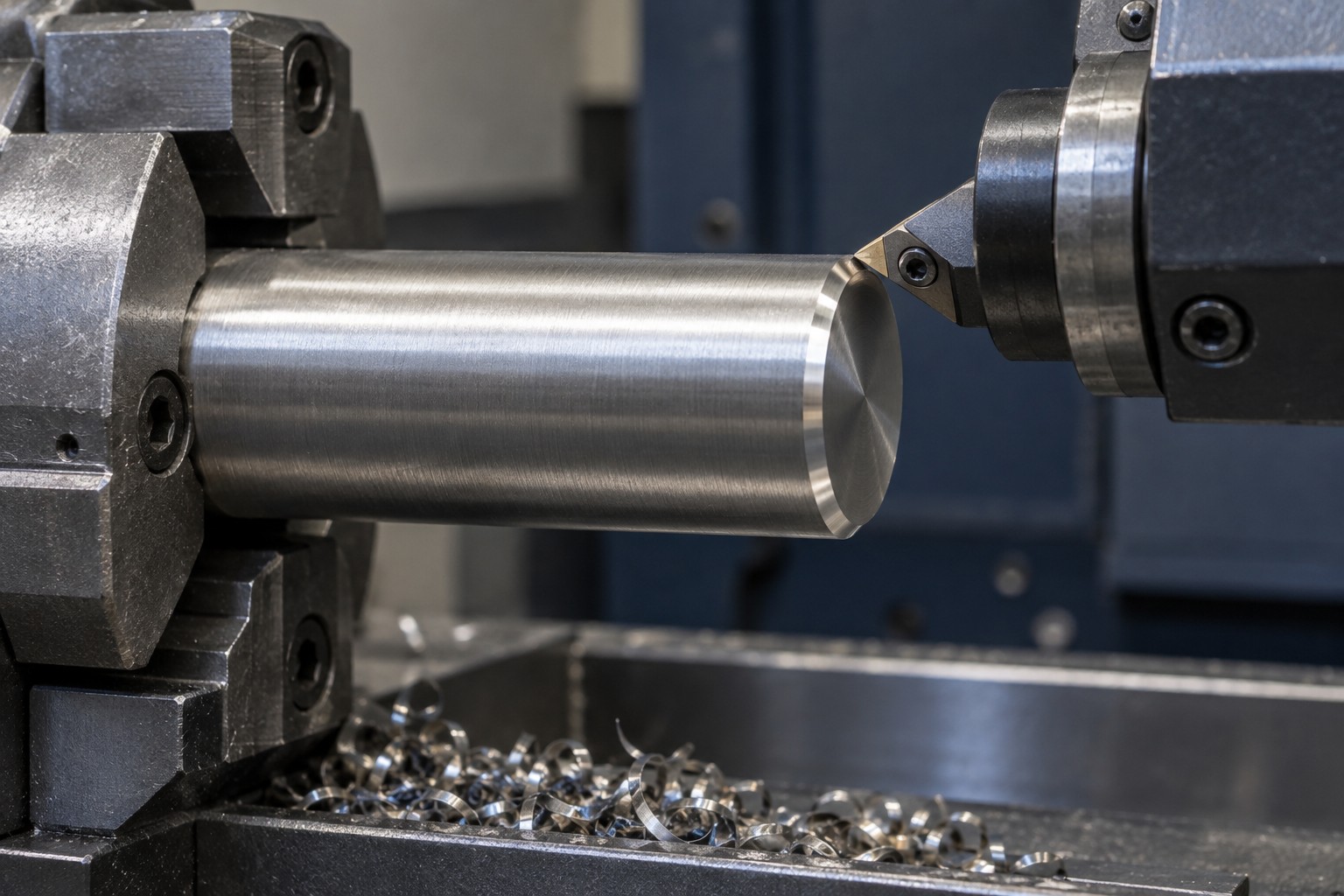
Bar chamfering
A small feature can make a difference at the next operation. Prepare one or both bar ends to the chamfer size, angle, and edge condition your drawing requires.
Bar-end preparation
Chamfering creates an angled edge where the end face meets the outside of the bar. The detail may provide a lead-in, address an edge requirement, or prepare the bar for a later manufacturing operation.
K-O reviews the end detail alongside the bar diameter, length, and material condition. We can connect chamfering with cutting and grinding so the entire bar specification stays in view.
Specify the entry edge needed where a bar or pin will meet another component.
Define the chamfer and burr requirements at the cut end instead of leaving the edge condition open to interpretation.
Include end details in the same inquiry as length, diameter, finish, and delivery requirements.
What to include
A sketch or drawing is the best way to identify the finished edge. Include all dimensions needed to distinguish the chamfer from the end face and overall length.
From bar to finished end
The finished length, diameter, and edge geometry should work together. The order of operations is reviewed for the part.
Confirm which ends need preparation and the size, angle, and tolerance of each feature.
Review how chamfering fits with the specified cut length, ground diameter, and surface condition.
Include the end condition and required dimensions in the agreed quality and packaging plan.
More of the work, connected
Bring related operations into the same conversation. Every project is managed through K-O’s quality system, with the requirements agreed for the work.
Set the required bar length before the end details are finalized in the processing plan.
Explore saw cuttingCoordinate end preparation with the finished outside diameter and surface.
Explore precision grindingReview related holes, grooves, and threaded features needed for the component.
Explore machiningA few useful answers
Include each end detail separately on your drawing. K-O reviews the required geometry, tolerances, and identification as part of the inquiry.
Chamfering creates an angled edge with a defined geometry. Deburring addresses unwanted material at an edge. If you need both a dimensioned chamfer and a burr requirement, specify both.
Yes. Share the end details along with the material, finished diameter, length, and surface requirements so K-O can review the combined processing plan.
Let’s review your project
Send the chamfer size and angle, the ends to be processed, material and condition, bar dimensions, quantity, and schedule. Add any cutting or grinding requirements to the same inquiry.